
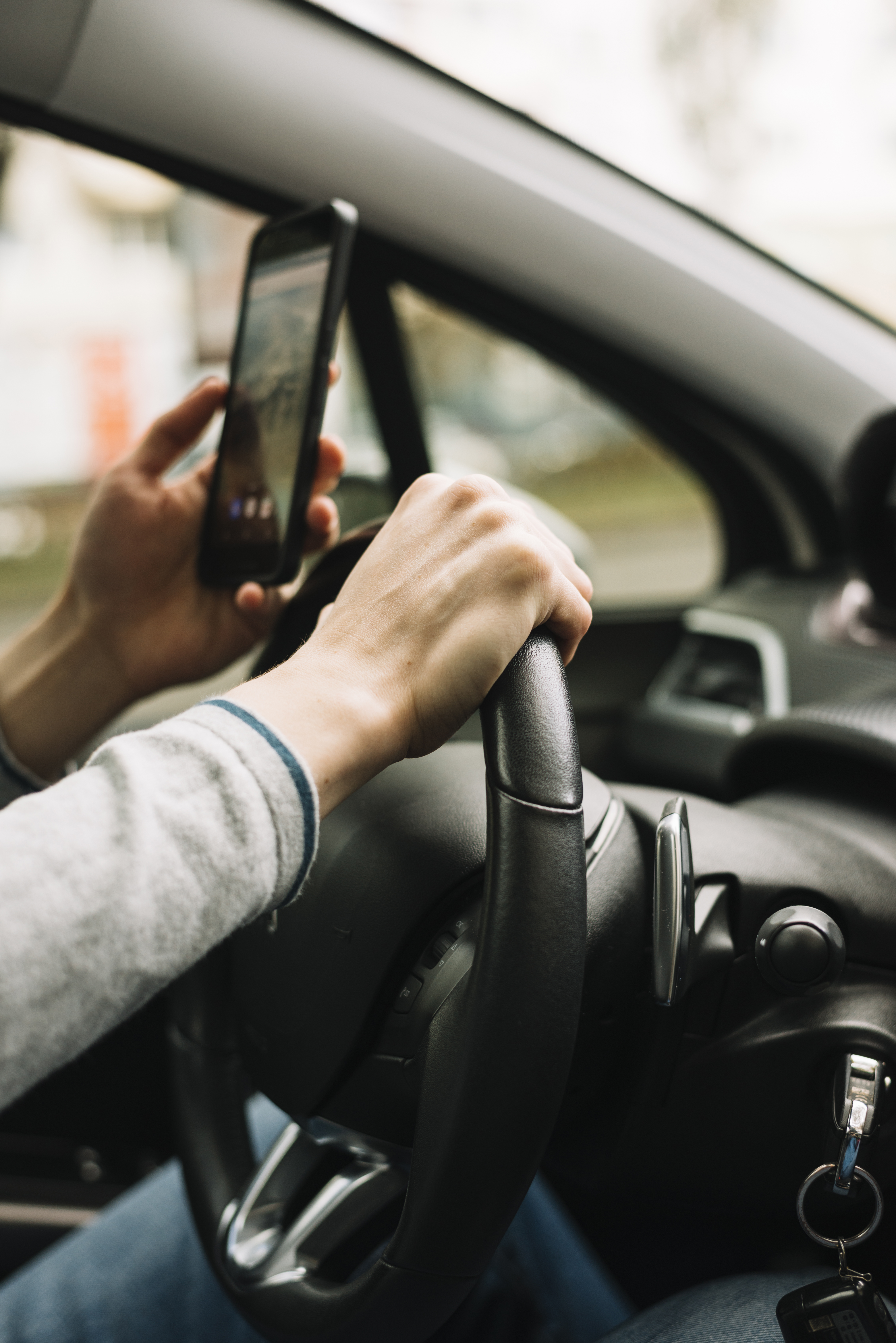
Building Strong Distracted Driving Cases With Key Evidence
Distracted driving remains a major contributor to traffic collisions nationwide, yet proving that a driver was not paying attention is rarely simple. Attorneys rely on digital records, eyewitness information, and physical evidence to demonstrate how distraction led to a crash. When these elements are combined, they create a clear and compelling picture of negligence. This framework is especially important during Distracted Driving Awareness Month, as it highlights how crucial evidence can be in holding careless drivers accountable.
Digital Evidence: Understanding the Driver’s Electronic Trail
Phone activity is often one of the strongest indicators that a driver was distracted. Call logs, texts, and app usage details can show whether someone interacted with their device near the moment of impact. Even basic timestamp data can help establish whether a driver’s attention was divided.
Securing this information, however, is not always straightforward. Carriers may only keep certain records for a brief period, and attorneys often need a subpoena to access them. In some cases, a forensic device review may be necessary to uncover deleted messages or background activity such as navigation checks, social media scrolling, or opening messaging apps.
Social media engagement can also play a significant role. Many drivers post updates, upload images, or interact with their feeds while behind the wheel. Location tags, posting times, and screen activity patterns can illustrate when a driver shifted their attention away from the roadway. When paired with phone records, these digital details form a powerful narrative of distraction.
Eyewitness and Video Evidence: Firsthand and Visual Support
Eyewitness accounts add a valuable human perspective. Bystanders, passengers, and other drivers may have seen the at-fault driver holding a device, looking down, or engaging in activities unrelated to driving. These observations can support digital data and strengthen the argument for liability.
Witnesses may also recall the driver’s behavior after the accident, including admissions of phone use or a lit screen visible inside the vehicle. These firsthand statements often serve as crucial context for understanding what led to the crash.
Camera and dashcam footage provide visual confirmation when available. Traffic cameras, business surveillance, and in-car dashcams often capture swerving, delayed braking, or visible interaction with a device. Because this video is frequently overwritten within hours or days, it’s essential for legal representatives to obtain and preserve footage as quickly as possible.
Vehicle and Scene Evidence: Physical Signs of Driver Inattention
Modern vehicles often contain Event Data Recorders (EDRs), which function similarly to black boxes. These devices monitor actions taken in the moments before a collision, such as speed, braking, throttle input, and steering adjustments. When data shows no evasive response before impact, it may indicate the driver failed to notice danger due to distraction.
Accident scene evidence remains equally important. Skid marks, vehicle damage patterns, and the placement of debris can reveal whether a driver reacted appropriately. For example, a vehicle rear-ended at a stoplight with no signs of braking strongly suggests the other driver’s attention was elsewhere.
Reconstruction experts use this physical evidence to recreate the incident and demonstrate how an attentive driver may have avoided the collision. This analysis can be instrumental in proving fault.
Why Prompt Action Is Critical
Much of the evidence in distracted driving cases is time-sensitive. Phone data, social media details, and security footage may only be available for a short period. Delays can result in automatic deletion of crucial records. In addition, subpoenas cannot be issued until a formal claim is underway.
Contacting a personal injury attorney immediately after a suspected distracted driving crash allows a legal team to act quickly. Attorneys will send preservation requests to data holders, gather video footage, collect crash site evidence, examine vehicle data, collaborate with reconstruction experts, and file necessary paperwork promptly. Acting fast helps prevent the loss of vital information that could significantly impact the outcome of a case.
Taking the First Step Toward Recovery
Successfully proving distracted driving requires thorough investigation and timely collection of digital, physical, and testimonial evidence. Whether the distraction involved texting, checking social media, or using GPS, uncovering these details can be the difference between uncertainty and a fair outcome.
If you suspect distraction played a role in your accident, reach out to a personal injury attorney as soon as possible. A knowledgeable legal professional can guide you through the process, protect your rights, and build a strong, evidence-based claim.